A home built before 1978 can hold decades of character, craftsmanship, and previous updates. It can also contain lead-based paint on walls, trim, doors, windows, railings, cabinets, and other painted components. Renovation work can disturb those surfaces and create dust or debris that needs careful handling.
The U.S. Environmental Protection Agency says its Renovation, Repair and Painting program applies to many paid projects that disturb painted surfaces in pre-1978 housing and child-occupied facilities. Utah operates an EPA-authorized RRP program, so contractors and property professionals working in the state also need to follow Utah’s applicable requirements.
Knowing what to check before demolition, sanding, cutting, scraping, or component removal can make project planning clearer from the start.
Why 1978 Matters For Lead Paint
Lead-based paint was banned for residential consumer use in 1978. Older homes may still contain coatings applied before the ban, even when newer paint layers cover them.
A painted surface can become a renovation concern when work creates chips or fine dust. Common projects that disturb paint include window replacement, wall removal, kitchen remodeling, bathroom remodeling, electrical access, plumbing access, surface preparation, and built-in removal.
Utah’s rules define renovation broadly for paid work and include sanding, scraping, window repair, removal of painted components, weatherization work, and other changes that disturb painted surfaces.
Where Lead Paint May Be Encountered
Lead can be present in many painted components in an older home. Age alone does not confirm that a specific surface contains lead, so planning often starts with the areas that will be disturbed. EPA’s current renovation guidance recommends checking available property records and considering testing before covered renovation work begins.
- Area Of The Home Renovation Activity To Review
- Windows And Trim Replacement, sanding, scraping, repair
- Doors And Frames Removal, refinishing, cutting
- Walls And Ceilings Demolition, drilling, surface preparation
- Cabinets And Built-Ins Removal, repair, refinishing
- Exterior Trim Scraping, repair, replacement
- Stairs And Railings Sanding, component removal, refinishing
Homeowners who need professional help evaluating a project can learn about lead-related renovation support in Utah before work begins.
Should You Test For Lead Before Renovating?
Testing can give homeowners and contractors more information about the painted components involved in a project. EPA’s March 2026 lead-safe renovation guide explains that surfaces affected by a covered renovation must generally be tested for lead-based paint or presumed to contain it.
Accepted testing can involve a certified lead-based paint inspector or risk assessor. EPA guidance also describes specific testing options available to certified renovators under RRP requirements. Different rules can apply to federally assisted housing.
If you need information about painted surfaces before planning the work, LeadShield provides lead testing for Utah renovation projects.
What The RRP Rule Means For A Renovation
The RRP program focuses on controlling lead-contaminated dust and debris created during renovation, repair, and painting activities. EPA says firms performing covered work for compensation generally need certification, and certified renovators have responsibilities for directing lead-safe work.
Utah rules apply RRP requirements to covered renovations in target housing and child-occupied facilities. They also require firms performing renovations to provide the Renovate Right lead-hazard pamphlet to owners and occupants as applicable.
A homeowner hiring a contractor for work in a pre-1978 property should ask about the company’s experience with older painted surfaces and confirm that required credentials are current. Contractors preparing for covered work can review RRP certification training for Utah professionals.
What Lead-Safe Setup Can Look Like
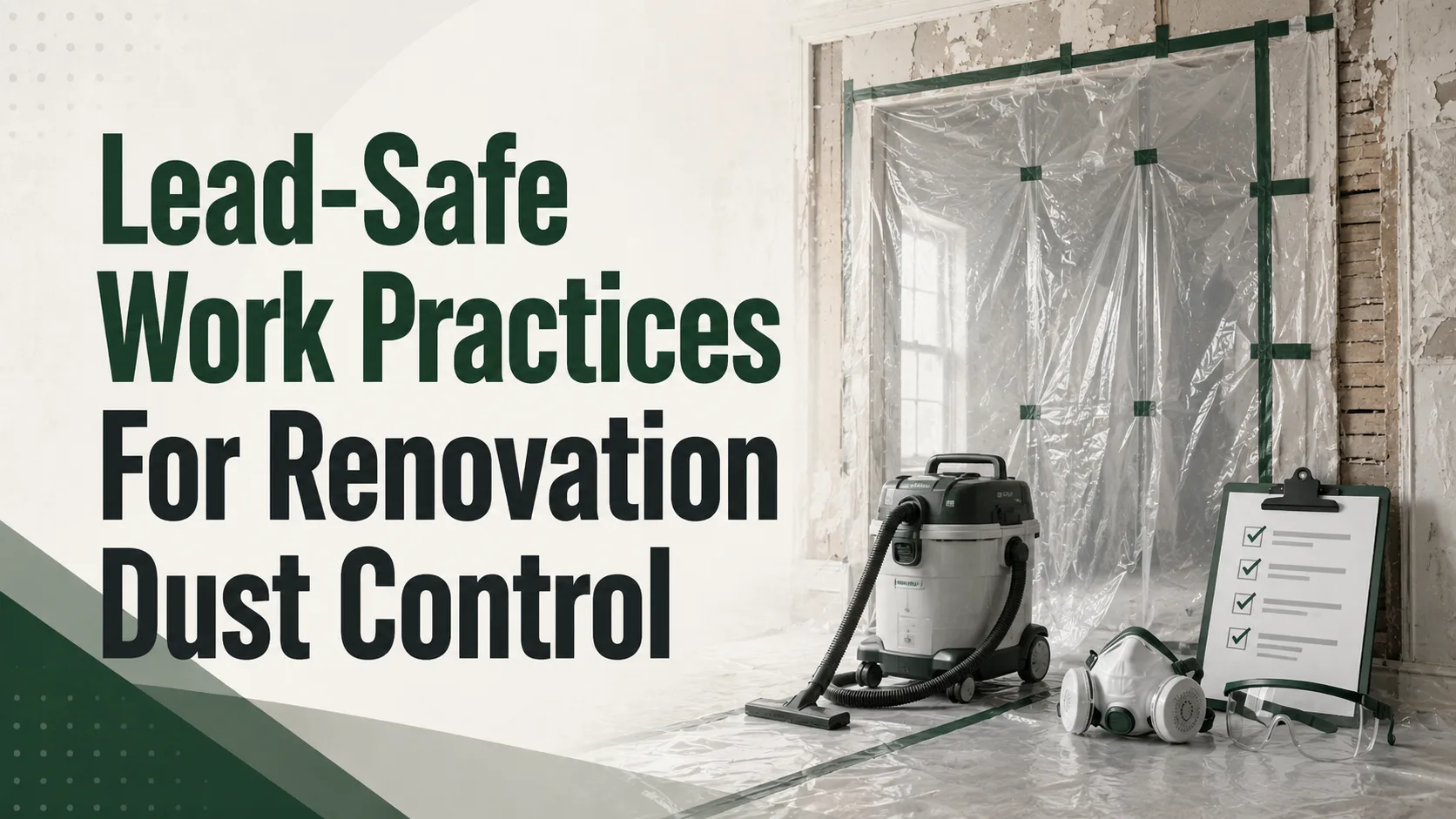
Work-area preparation helps keep renovation dust and debris from spreading into occupied or unaffected areas. The exact setup depends on the location, size, and type of project.
Typical planning can include:
- Identifying the boundaries of the work area
- Protecting floors and nearby surfaces
- Restricting access during renovation
- Using containment materials where required
- Managing paint chips and construction debris
- Cleaning the area according to applicable procedures
- Completing required cleaning verification or testing
EPA’s current lead-safe renovation materials describe containment, cleaning, debris handling, and verification as core parts of covered RRP work. Utah’s rules also include work-practice and cleaning requirements for covered renovations.
LeadShield also offers lead-safe job setup and cleanup support for qualifying renovation projects.
What Homeowners Should Ask A Contractor
A few direct questions can help you understand how a contractor plans to handle painted surfaces in an older Utah home.
Ask About The Property And Work Scope
A contractor should understand the home’s age and identify the painted components that will be affected. Project scope matters because RRP requirements are tied to renovation activities and the painted surface being disturbed.
Ask About RRP Credentials
For covered paid work, firm certification and certified-renovator responsibilities are important. Utah is one of the states authorized by EPA to administer its own RRP program.
Ask About Containment And Cleanup
Talk through how the work area will be separated, how debris will be handled, and what cleaning steps will take place before the area returns to normal use. These steps are part of the lead-safe work practices described in current EPA renovation guidance.
What Contractors Should Know Before Taking The Job
Contractors working in older Utah properties need a repeatable way to recognize projects that may fall under the RRP rules. That starts before tools touch painted surfaces.
A useful pre-project review includes:
- Confirm the construction date.
- Identify the surfaces that will be disturbed.
- Review applicable Utah RRP requirements.
- Confirm firm and renovator credentials.
- Address testing or lead-presumption decisions.
- Plan containment, cleaning, and documentation.
- Provide required pre-renovation information.
These steps reflect the core areas addressed by EPA’s RRP resources and Utah’s renovation requirements, including certification, notification, work practices, and recordkeeping.
Professionals with credentials approaching expiration can review RRP refresher training options before scheduling future covered work.
Lead-safe knowledge also benefits crews that regularly work in remodeling, maintenance, painting, property management, and related trades. LeadShield’s continuing education opportunities can help eligible professionals keep learning as requirements and course materials evolve.
Plan For Lead Safety Before Renovation Starts
A pre-1978 construction date should prompt an early conversation about painted surfaces. Testing, contractor qualifications, project setup, containment, cleanup, and documentation are easier to address during planning than after demolition has started.
Homeowners can gather records about previous lead inspections, disclosures, or renovation work and share that information with the contractor. EPA specifically recommends reviewing available lead information before renovation begins. Contractors can review current Utah requirements, define the work area, and make sure required credentials and procedures are in place.
Lead-safe planning gives everyone involved a clearer picture of the project before renovation begins. For older Utah homes, that preparation can support cleaner work areas, better communication, and responsible handling of painted surfaces throughout the job.